- 920
- 产品价格:面议
- 发货地址:山东菏泽牡丹区 包装说明:不限
- 产品数量:9999.00 台产品规格:不限
- 信息编号:225312563公司编号:713849
- 于经理 经理 微信 158530089..
- 进入店铺 在线咨询 QQ咨询 在线询价
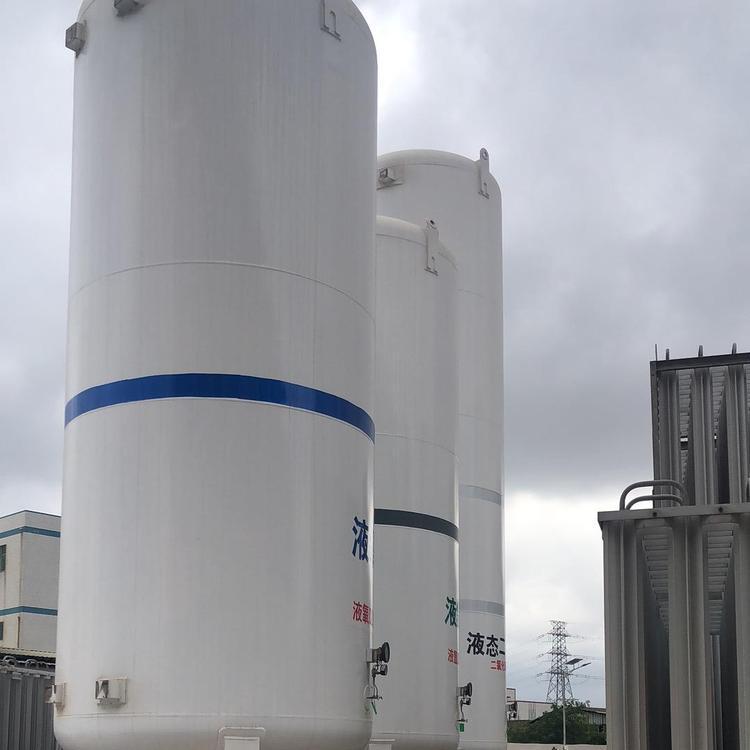
二氧化碳储液罐 娄底二氧化碳储罐厂家
- 相关产品:
LPG储罐和lng储罐的分类及焊接区别
lng储罐均为低温储罐,常分为两种:
(1)高压罐 内层用不锈钢,外层用碳钢,中间抽真空。单罐容量大为150m3,国内外小型LNG气化站基本采用这种形式。
(2)常压罐 形式与LPG常压罐类似,一般为大型储罐,双层机构,中间填充隔热材料,内外罐均在现场安装制造,生产周期长。内层采用9Ni钢。常温罐一般单罐容积大于50,000m3。罐内温度要降低到-160℃以下。环焊缝及水平焊缝采用埋弧焊,其它大部分采用手工焊。
LPG储罐分类
(1)常温高压储罐 压力较高,储罐的形式一般采取球形。储罐容积一般不**过10,000m3。
(2)低温常压储罐 内部低温,常压贮存,储罐的形式一般为拱**罐。储罐容积没有太大限制,但一般不**过100,000m3。低温储罐一般设计成双层,内层采用低温钢,外层采用普通碳钢,中间添加隔热材料。使用低温罐容量大,船运成本低。
LPG的液化温度一般为-40℃,以丙烷、丁烷为主。LNG的液化温度一般为-162℃,以甲烷为主。
lng储罐的焊接
小型罐通常采用304不锈钢材质,焊接材料以308L型的手工焊条和TIG丝为主。大型罐采用9Ni钢材质,一般水平及及横焊位置采用埋弧焊,提率,其它位置采用手工焊。焊接材料通常选用Ni>60的Ni-Cr-Mo焊材,如NiCrMo-4和NiCrMo-6。9Ni钢具有较大的磁敏感性,焊接时需注意磁偏吹,推荐使用交流焊接设备。LNG用焊接材料均需进行-196℃冲击试验。
LPG储罐的焊接
罐体材料:主要应用的有09MnNiDR、15MnV、15MnVR、CF-62(07MnNiCrMoVDR)、16MnR(WH510)、07MnNiMoVDR。气焊接方法有手工电弧焊、埋弧焊、钨级氩弧焊和熔化气体保护焊。储罐的纵焊缝采用手工焊,环焊缝基本采用埋弧焊。以这两种焊接方法为主。
LPG储罐和lng储罐的分类及焊接区别
2 储罐的操作Tank operation
【产品详情图片】
储罐的操作分为充液、贮存、增压、排液等过程,每个过程必须做到:V6三通截止阀(连接安全阀)和V8液位计组合阀始终处于全开状态。罐内压力不应高于2.16Mpa,压力不应低于0.8Mpa .
The operation of the tank is divided into filling, storage, pressurization, drainage and other processes, each process must be: V6 three-way valve (connecting safety valve) and V8 level gauge combination valve is always in the fully open state. Tank maximum pressure should not exceed 2.16Mpa, the minimum pressure should not be less than 0.8Mpa.
【产品详情图片】
【主变量】【变量3】【变量2】【变量1】
液体的排放 liquid discharge
【产品详情图片】
2.4.1液体二氧化碳的正常排放是在储罐增压后,开启V2排液阀,V3回气阀,液体二氧化碳便流入汽化器汽化,供使用点使用。
The normal discharge of liquid carbon dioxide is after pressurization of the tank, open the V2 drain valve, V3 return valve, the liquid carbon dioxide will flow into the vaporizer vaporization for use point.
2.4.2为满足排液过程的稳定压力,应按“储罐的增压”操作方法进行增压。
In order to meet the steady pressure of the drainage process, it should be pressurized according to the method of "pressurized tank".
【产品详情图片】
【标题】
结构说明 Structure Description
1. 泄放装置 Discharge device
2. 内胆 Liner
3.保温层(珠光砂) Insulation (pear sand)
4.外壳
5.仪表(差压计、氧压表、组合阀) Meter (differential pressure gauge, oxygen pressure gauge, combination valve)
6.抽空口及真空阀门Evacuation port and vacuum valve
7.管路阀门 Pipeline Valve
说 明Description:
⑴本储罐的操作系统多集中于储罐底部,仪表系统及组合阀设置在筒壁,便于观察操作.
The operating system of the tank and more concentrated in the bottom of the tank, instrument system and valve combination set in the cylinder wall, easy to observe the operation.
(2) 内胆设置有两个安全阀S1、S2,夹层泄压装置B。
There are two safety valves S1, S2 inside the liner, sandwich pressure relief device B.
(3) 连接形式:进液口→2"螺纹连接,排液阀→2"螺纹连接,抽空口→法兰.
Connection: inlet → 2 "thread connection, drain valve → 2" thread connection, exhaust port → flange.
【产品详情图片】
【变量3】【变量2】【变量1】
维护与检修 Maintenance and repair
【产品详情图片】
1.储罐的使用与维护,应按“压力容器安全技术监察规程”要求和本说明进行。
The use and maintenance of the storage tank shall be carried out according to the requirements of the Pressure Vessel Safety Technical Supervision Regulations and these instructions
2.日常检查与维护 Daily inspection and maintenance
储罐在运行过程中,要经常检查安全阀、压力表、液位计工作是否正常,阀门管路是否有泄漏,外部有无异常现象,发现问题及时处理。
During operation of the tank, check the safety valve, pressure gauge and liquid level meter regularly, whether the valve line is leaking, whether there is any abnormal phenomenon outside, and find the problem to be handled in time.
3.定期校验 Regular verification
3.1安全阀整定压力不大于2.27Mpa,每年至少校验一次,并加铅封,作好记录。
Safety valve setting pressure is not more than 2.27Mpa, at least once a year, and add seals, make a record.
3.2定期检查夹层真空度,未装低温介质的情况下真空度应低于65Pa,装有低温介质的情况下,真空度应低于10Pa为合格。
Regularly check the sandwich vacuum, the vacuum should be less then 65Pa without vacuum medium; with a low temperature medium, the vacuum should be less than 10Pa for the pass.
【产品详情图片】
【标题】
外罐就是能承受各种负荷的外壳,它必须具有足够的强度。根据所用材料不同可以分为以下几种:冻土壁、钢制壁、钢筋混凝土壁及预应力混凝土壁。
①冻土壁。冻土壁和隔热盖形成气密性封闭空间作为外罐,又称为坑储穴。在建造时,用冷却管使内罐周围土壤冻结而成。坑储穴投产后,低温液体会使周围继续保持冷冻状态,而且这一冻土层还会逐年扩张,因此蒸发损失也会逐年减少。建造坑储穴的先决条件是要有一个较高的地下水位,此外,坑储穴的底应该是不容易渗透的岩石或黏土层。
②钢制壁(包括合金及铝)。它只适用于建造地上低温储罐液化天然气的地上低温储罐与一般常温储罐不同,必须考虑罐底下的地面因土壤冻结膨胀而鼓起,使储罐有损坏的危险。所以必须采取措施,防止地面土壤冻结,一般可以将地上储罐分为落地式和高架式两种。落地式底部用珍珠岩混凝土隔热,在预埋的管道中通入热风或热水,或在基础内部预设电加热器,以防土壤冻结。高架式是用立柱支撑罐体底盘,使其与地面分开,保持储罐与地面之间空气畅通,防止液化天然气吸收地面大量热量,以避免土壤冻结。
③钢筋混凝土壁及预应力混凝土壁。这两种外壁是地下罐外壳的主要材料,具有如下优点:
a.钢筋混凝土和预应力混凝土是很好的低温材料,即使薄膜受损,低温储液与预应力混凝土壁接触也不会损坏外壁;
b.耐久性好,不受地下水腐蚀,不变脆;
c.它有很好的液密性,并且具有较好的抗震性能。
联系手机是15853008919, 主要经营山东中杰特装(原菏泽锅炉厂):始建于1984年,聚焦绿色能源特种装备行业。菏泽锅炉厂家主营:燃气锅炉、生物质锅炉、导热油炉、余热锅炉等工业锅炉产品;中杰特装储罐主营:LNG储罐、LPG储罐、液氧储罐、液氮储罐、二氧化碳储罐等中大型储罐产品;承接LPG液化气站、LNG标准站、锅炉厂家安装、工业管道、化工设备等安装服务.。
单位注册资金单位注册资金人民币 5000万 - 1亿元。