- 860
- 产品价格:面议
- 发货地址:山东菏泽牡丹区 包装说明:不限
- 产品数量:9999.00 台产品规格:不限
- 信息编号:223736478公司编号:713849
- 于经理 经理 微信 158530089..
- 进入店铺 在线咨询 QQ咨询 在线询价
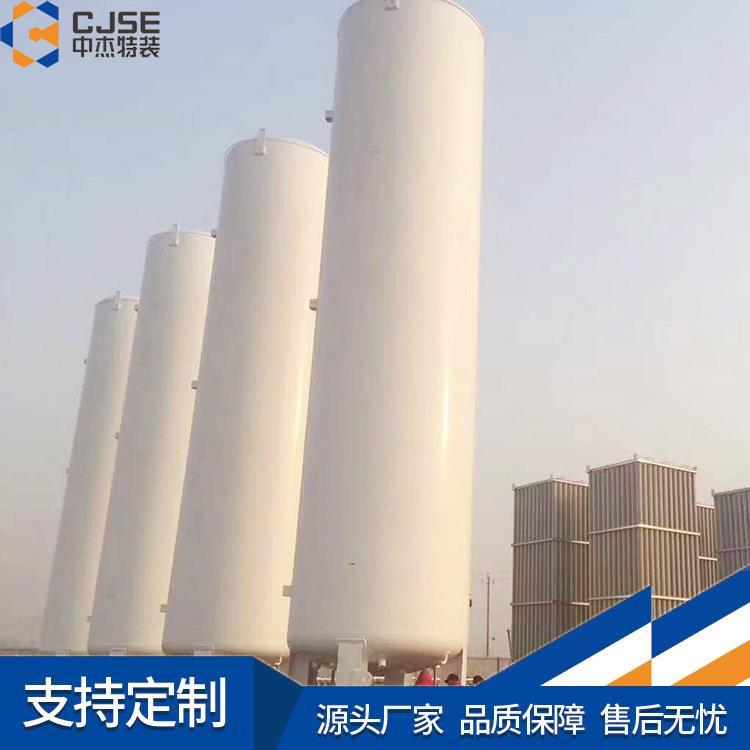
铜仁二氧化碳储罐 二氧化碳储罐设计
- 相关产品:
二氧化碳储罐设计
二氧化碳储罐的长处
二氧化碳储罐是储存液态二氧化碳介质的储存压力容器。
二氧化碳储罐内胆原料选用16MnDR,二氧化碳罐外胆原料为Q245R或者Q345R。
二氧化碳罐选用“组合、安全体系阀”运用两组安全阀一起作业,在安全阀定时校验时可关闭一侧,另一侧持续作业,保证二氧化碳罐的安全运转。
二氧化碳罐选用热态下的珠光砂为绝热材料并抽真空,公司以共同的技术保证质量,以达到绝热作用。
二氧化碳罐具有运用寿命长、构造紧凑、占地面积少、集中控制、操作和维修便利等特色。
二氧化碳罐的规划压力为2.2MPa
液体的储存 liquid storage
液体二氧化碳的储存属于带压(压力不低于0.8Mpa)储存。储存期间除压力表、液位计、安全阀应投入使用外,其他阀门应处于关闭状态。当储罐压力**过2.1Mpa时,开启V7排气阀降压。但应注意:内罐的压力不得降至低于0.8Mpa,否则将引起液体二氧化碳转变为干冰。
Liquid carbon dioxide storage with pressure (pressure not less than 0.8Mpa) storage. During the storage, the pressure gauge,level gauge, safety valve should be put into use, the other valves should be closed. When the tank pressure exceeds 2.1Mpa, open the V7 exhaust valve buck. However, it should be noted that the pressure inside the tank must not drop below 0.8Mpa, otherwise liquid carbon dioxide will be converted to dry ice.
【产品详情图片】
【标题】
液体的排放 liquid discharge
【产品详情图片】
2.4.1液体二氧化碳的正常排放是在储罐增压后,开启V2排液阀,V3回气阀,液体二氧化碳便流入汽化器汽化,供使用点使用。
The normal discharge of liquid carbon dioxide is after pressurization of the tank, open the V2 drain valve, V3 return valve, the liquid carbon dioxide will flow into the vaporizer vaporization for use point.
2.4.2为满足排液过程的稳定压力,应按“储罐的增压”操作方法进行增压。
In order to meet the steady pressure of the drainage process, it should be pressurized according to the method of "pressurized tank".
【产品详情图片】
【标题】
维护与检修 Maintenance and repair
【产品详情图片】
1.储罐的使用与维护,应按“压力容器安全技术监察规程”要求和本说明进行。
The use and maintenance of the storage tank shall be carried out according to the requirements of the Pressure Vessel Safety Technical Supervision Regulations and these instructions
2.日常检查与维护 Daily inspection and maintenance
储罐在运行过程中,要经常检查安全阀、压力表、液位计工作是否正常,阀门管路是否有泄漏,外部有无异常现象,发现问题及时处理。
During operation of the tank, check the safety valve, pressure gauge and liquid level meter regularly, whether the valve line is leaking, whether there is any abnormal phenomenon outside, and find the problem to be handled in time.
3.定期校验 Regular verification
3.1安全阀整定压力不大于2.27Mpa,每年至少校验一次,并加铅封,作好记录。
Safety valve setting pressure is not more than 2.27Mpa, at least once a year, and add seals, make a record.
3.2定期检查夹层真空度,未装低温介质的情况下真空度应低于65Pa,装有低温介质的情况下,真空度应低于10Pa为合格。
Regularly check the sandwich vacuum, the vacuum should be less then 65Pa without vacuum medium; with a low temperature medium, the vacuum should be less than 10Pa for the pass.
【产品详情图片】
【标题】
常见故障的处理 Common fault handling
【产品详情图片】
1.内罐压力异常长高 Inner tank pressure abnormally high
1.1可能是V3回气阀开度过大或阀门失灵,应减小阀门开度或检修阀门。
May be V3 return valve opening is too large or valve failure, should reduce the valve opening or valve repair.
1.2可能是S1、S2安全阀失灵,到启动压力不启动,应检查安全阀。
may be S1, S2 safety valve failure, to start the pressure does not start, check the safety valve.
1.3可能是压力表指示不准确,应校验压力表。
may be pressure gauge indicates inaccurate, should verify the pressure gauge.
2.液位计指示不真实 Level gauge instructions are not true
2.1可能是液位计失灵,应检修液位计。
may be the level gauge failure, should be maintenance level gauge
2.2可能是液位计接头处泄漏,应检修接头连接处,排除泄漏。
It may be a leak at the head of the liquid level gauge. It should repair the connection of the joint and eliminate the leakage
3.蒸发率高,外壳体凝水结霜 High evaporation rate, the outer condensate frost
3.1可能是珠光砂未填实或下沉,应补充珠光砂,重新抽真空。
may be unfilled or sinking of pearl sand, pearl sand should be added and re-evacuated.
3.2可能是真空度恶化,应进行真空检漏,重新抽真空。
may be a deterioration of the vacuum, vacuum leak detection should be carried out, re-vacuum.
4.管道阀门液体流动不畅或堵塞 pipeline valve fluid flow or blocked
可能是液体二氧化碳形成干冰的原因造成,应停止使用,用热空气加温管阀至畅通为止。May be caused by the formation of dry ice, should stop using, with hot air heating pipe valve until smooth.
基础形式
结构
液态天然气必须储存在低温储罐中,低温储罐通常是由内罐和外罐构成,中间填充隔热材料。
内罐
内罐又称“薄膜罐”,是由薄低温钢板制成的具有液密性、可挠性的内容器。它必须把液压头传递给隔热层。用作薄膜的材料必须具有在低温条件下不脆化的特性,并具有足够的韧性与良好的加工性能。通常采用镍钢、不锈钢或铝合金。 [1]
隔热层
隔热层在将液压头传递给外罐体的同时,还起着减少气化量、缩小罐体内外壁温差、减轻由此产生的温差应力的作用,另外它还有固定“薄膜”的功能。因此要求隔热层热导率小,而且具有足够的强度。能满足这些条件的材料有硬质泡沫氨基甲酸乙酯、泡沫玻璃、珍珠岩以及硬质泡沫酚醛树脂等。为了提高隔热材料的隔热性能和经济性,可采用由粉末状、纤维状、板状等隔热材料混合使用的隔热法。
液化天然气注入罐内后,内罐壁就会冷缩;反之液化天然气完全被排出后,罐内温度将逐步上升,内罐壁随之伸张。填充在内外罐中间的粉末状隔热材料,由于内罐壁的反复胀缩变得严实。因此在靠近内罐处必须敷设一层伸缩性强的隔热层,此隔热层的厚度与内罐壁的胀缩相适应,并在内罐壁胀缩时起缓冲作用,保证储罐安全运行。
联系手机是15853008919, 主要经营山东中杰特装(原菏泽锅炉厂):始建于1984年,聚焦绿色能源特种装备行业。菏泽锅炉厂家主营:燃气锅炉、生物质锅炉、导热油炉、余热锅炉等工业锅炉产品;中杰特装储罐主营:LNG储罐、LPG储罐、液氧储罐、液氮储罐、二氧化碳储罐等中大型储罐产品;承接LPG液化气站、LNG标准站、锅炉厂家安装、工业管道、化工设备等安装服务.。
单位注册资金单位注册资金人民币 5000万 - 1亿元。